Turning Dead Roof Space into BNG and SuDS Compliance
Turning Dead Roof Space into BNG and SuDS Compliance
Up top, space tells a different story now that rules have shifted. Roofs once plain and ignored start showing new purpose when land costs climb too high. Because laws changed, what sits below must answer to tighter demands. Looking skyward becomes less choice, more necessity under fresh legal weight. What used to just keep rain out now holds answers to problems down on the street.
Turning Dead Roof Space into BNG and SuDS Compliance
These days, rooftops on office buildings do way more than just keep rain out or hold air conditioning units. Once seen only as basic covers, they now help builders meet tough green rules popping up everywhere.
On rooftops, new rules spark changes nobody expected. A requirement to boost biodiversity by 10 percent reshapes how projects stack up. Soon, drainage systems ruled by Schedule 3 will kick in. Tight city spaces make meeting goals tough without losing income spots below. Because of this pressure, what was once just roof becomes key to playing by the rules.
The BNG Challenge in City Growth
At The Green Roofer, getting approval means showing real numbers on nature gains. Not just any greenery will do when rules such as those in the London Plan set hard targets. Designers and builders find it harder to pass with small garden patches alone. Proof of actual habitat improvement has become essential. A few trees around a site won’t cut it anymore. Evidence must back every claim about environmental benefit. Without solid figures, applications stall. The bar is higher now than before. What used to slide through faces tougher scrutiny today.
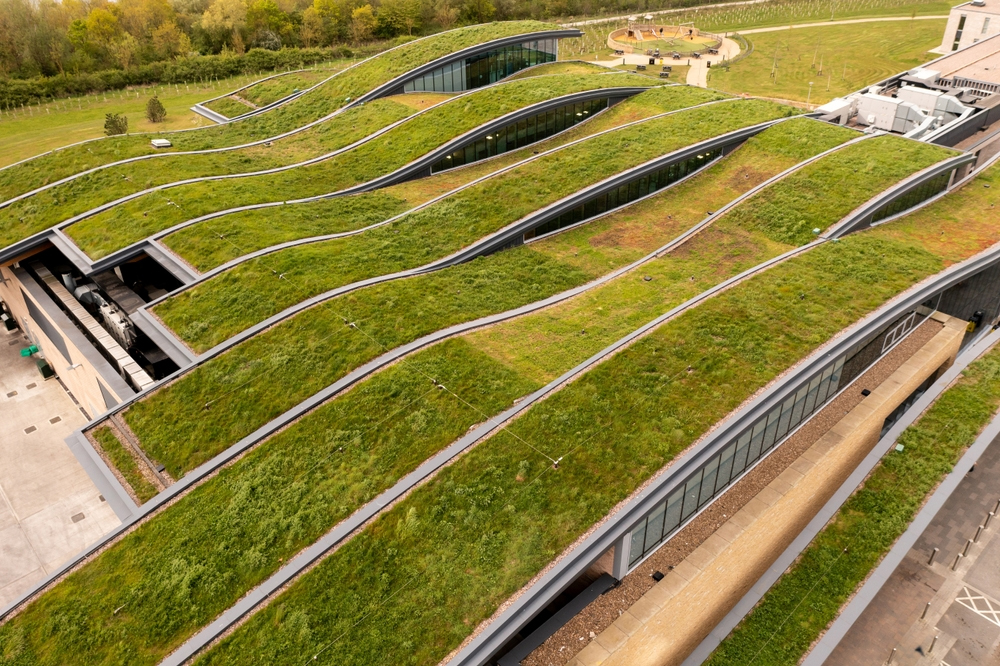
Living roofs packed with varied plant life now often appear in project plans. Filled with wildflowers found naturally across Britain, they form clear spaces where bees and other pollinators can thrive. For builders, a big benefit comes through numbers – these sky-level habitats produce counted gains toward mandatory biodiversity targets, right where the structure stands. That count cuts reliance on costly external offsets bought from distant land deals.
Blue Green Together Fixing Drainage Challenges
Ecologists get what they want when nature thrives. Civil engineers find peace in controlled water flow. Storms now hit harder and more often, testing old systems past their prime. Drains built long ago buckle under downpours they were never meant to handle. Planners insist rooftops must slow runoff before it floods streets below.
Underneath green roofs, blue roof setups are working well. Rain collects in stackable units placed below dirt layers. Water stays there for a while before draining out gradually. Because of that, heavy downpours do not overwhelm pipes all at once. Builders follow runoff rules without digging deep storage chambers underground.
The Commercial Reality ROI and Membrane Lifespan
Starting with cost concerns, living roofs often got cut when budgets tightened. Still, over time they save money, making building operators take another look. Now institutions weigh lasting gains more seriously.
Out in the open, a regular flat roof made of bitumen or one layer takes constant punishment from weather. Sunlight zaps its flexibility, making it stiff over time. When summer heat swells the surface and winter cold shrinks it back down, cracks start to show. That push and pull breaks the waterproof cover, step by step.
Out on rooftops where plants take hold, the material beneath stays safe. Shielded by roots and soil, it won’t crack under sun or shift with heat swings. When ultraviolet rays vanish from the equation, that base layer lasts far longer – think four or five decades instead of two. Because temperatures stay steady up there, the building breathes easier through seasons. Inside, less energy bleeds away when summer burns or winter bites. That balance nudges efficiency scores upward without forcing changes elsewhere.
Modular Approaches Address Skill Shortages
Out there where spec’s move faster than crews can nail down materials, rooftops are shifting how they get work done. With every minute ticking like a metronome, layered green roofs often stumble when rain moves in or wages climb too fast.
Skipping slow steps, rooftops now snap together like puzzle pieces using ready-made moss mats. These sections show up grown, so there is no waiting for sprouts or fragile growth periods. Main builders find them sharp – less time balancing on edges, fewer pauses when rain hits, plus instant polish once frames are removed. Finished look right away, even before cleanup begins.
Facing tighter city spaces, builders now treat rooftops as essential, not optional. Using the top layer of buildings isn’t only about being green – it ties directly to meeting regulations, protecting property value, and staying competitive across today’s British development market.
For the latest industry news visit landscapingmatters.co.uk/news
Get all of the big headlines, pictures, opinions and videos on stories that matter to you.
Follow us on Twitter and Instagram for fun, fresh and engaging content.
You can also find us on Facebook for more of your must-see news, features, videos and pictures from Landscaping Matters