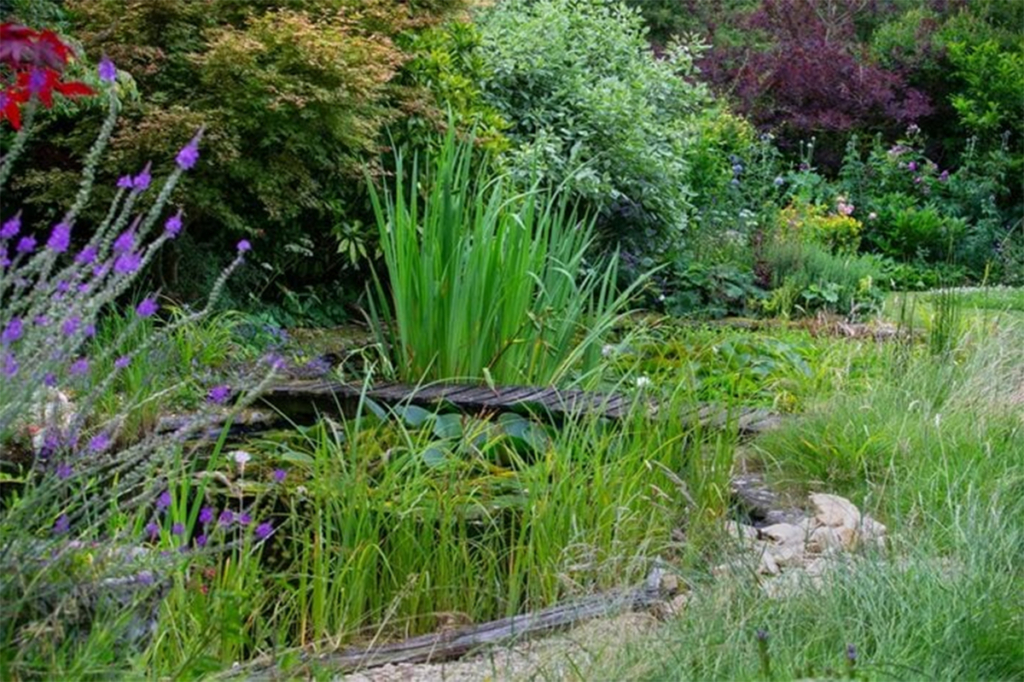
RHS secures Plant Healthy certification
RHS secures Plant Healthy certification: The Royal Horticultural Society (RHS) has secured Plant Healthy certification at all its gardens and retail centres, becoming the first organisation in the UK to achieve a clean sweep across each of its public gardens and retail sites. The news comes at what the charity considers to be a critical moment for plant biosecurity.
Protecting plant health is a key concern for natural habitats, the horticulture industry and the UK’s gardeners. With more than 1400 organisms on the UK Plant Health Register, taking action to protect plants is vital to both the environment and the economy. For example, the 2025 Strong Roots report highlights that oak processionary moth and Phytophthora ramorum alone cost the UK an estimated £6.1 million to manage annually.
RHS secures Plant Healthy certification
The RHS believes that the next five years are pivotal for protecting plants in gardens and the wider environment as pressures including a changing climate and evolving threats from pests and diseases mount. Increasingly unpredictable weather patterns, including drought and flooding, are placing more stress on plants, highlighting the need for resilient landscapes.
Established issues such as honey fungus and powdery mildews continue to affect the UK’s landscapes, while one of the most serious threats the UK is working to prevent from entering is Xylella fastidiosa, which has had major outbreaks in Europe and can infect 650 different plant species including popular garden plants such as lavender, rosemary and olive trees.
Despite its risks, the movement of plant material is essential for climate resilience and a vibrant horticultural sector in terms of value, jobs, and biodiversity. The Plant Healthy Certification Scheme was set up by the Plant Health Alliance to recognise organisations that have comprehensive measures in place to minimise the risk of introducing and spreading the most harmful plant pests and diseases through their policies, training and activities, such as quarantining plants upon arrival to observe for plant health problems that are harder to detect.
In January 2023 RHS Harlow Carr became the first public garden in England to gain Plant Healthy certification, with RHS Gardens Bridgewater, Hyde Hall, Rosemoor and Wisley – and their adjoining retail centres – following suit, meeting the high standards required by the scheme and committing to continued strengthening of plant health practices.
Sara Redstone, RHS Biosecurity Lead, said: “Achieving Plant Healthy certification across all RHS gardens and retail centres is a milestone we are extremely proud of. As the UK’s leading gardening charity, we have a responsibility to protect the plants that people love and the landscapes that sustain them. This certification shows our commitment to championing the highest standards of biosecurity and supporting millions of gardeners to do the same, while giving customers confidence that they are buying plants from RHS retail outlets – including online – which have rigorous plant health standards.”
Malcolm Catlin, Director of Plant Healthy, said: “Strong biosecurity can only be achieved through a partnership between the government, the horticultural profession and trade, and the wider public. The RHS has led by example in getting all five of its gardens and retail outlets certified, and we join them in celebrating this huge achievement. They have been very supportive of Plant Healthy from Day One, and we look forward to continuing to work with them to raise awareness of plant health risks and the steps that everyone can take to minimise them.”
Despite its importance, the 2025 RHS State of Gardening Report noted that only 39% of the UK public were aware of the term ‘biosecurity’. To help ensure a plant healthy garden the RHS urges people to:
- Source carefully – where possible, purchase plants grown in the UK, and always buy from reputable suppliers, including those who are Plant Healthy certified.
- Propagating your own plants from seed or local cuttings also reduces risk.
- Avoid bringing plant material home from abroad – resist the temptation to bring plants, seeds, flowers, fruit and vegetables back from abroad, as this is a common way in which new pests and diseases arrive in the UK.
- Keep it clean – keep garden tools, greenhouses and water butts clean to reduce the likelihood of providing a refuge and means of spread for plant health problems.
- Grow a ‘complex’ garden – greater diversity of planting, such as in a traditional cottage garden, is good for biodiversity and biosecurity.
- Encourage biodiversity – promoting wildlife-friendly practices in your garden will encourage a wider variety of organisms, including insects, fungi and bacteria, which will help garden health by creating a more balanced and resilient garden ecosystem.
For more information on how to practice best plant health visit: www.rhs.org.uk/science/plant-health-in-gardens/protect-your-garden
For the latest industry news visit landscapingmatters.co.uk/news
Get all of the big headlines, pictures, opinions and videos on stories that matter to you.
Follow us on Twitter and Instagram for fun, fresh and engaging content.
You can also find us on Facebook for more of your must-see news, features, videos and pictures from Landscaping Matters