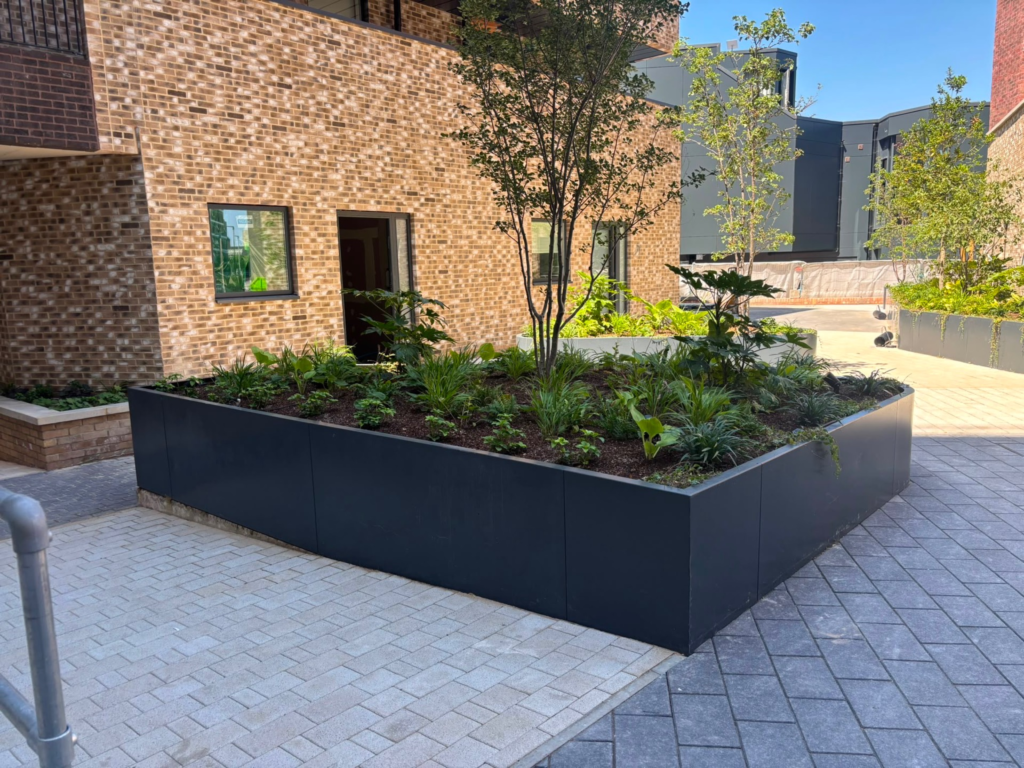
The Skyward Shift: Redefining the Urban Edge
The Skyward Shift: Redefining the Urban Edge
A quick glance across the skyline of almost any major city reveals a distinct shift in the built environment. Rooftops, podiums, and concrete ledges once treated as structural necessities or architectural afterthoughts are being reclaimed. Barren concrete plateaus are actively being transformed into highly sought-after outdoor living spaces.
The Skyward Shift: Redefining the Urban Edge
These elevated environments are no longer just a bonus. They serve as critical extensions of the modern home and workplace. As the demand for skyward greenery grows, developers and residents alike are realizing that gardening at altitude requires a radically different approach to traditional landscaping. Up here, the old rules simply do not apply.
The Reality of the Rooftop
In exposed urban environments like a soaring penthouse terrace in London or a communal plaza in Manchester, the elements take a toll. Wind shear is fierce, temperature fluctuations are extreme, and rain can quickly turn a poorly designed roof into a swamp.
For years, the solution was largely piecemeal. People dragged heavy stone pots from garden centres, arranged mismatched seating, and tolerated chaotic drainage that stained the decking below. The result was often cluttered and high-maintenance, completely detached from the sleek architectural language of the buildings themselves.
Today’s most successful elevated landscapes reject this ad-hoc approach. Architects and designers no longer treat the terrace as a simple garden. They treat it as vital infrastructure.
Structural Landscapes
The foundation of a world-class rooftop terrace actually has very little to do with the plants. It comes down to the precision-engineered framework that holds them. Modern urban outdoor spaces rely on continuous, architectural-grade planter systems to define the area, direct foot traffic, and integrate seating.
Achieving this requires a level of structural rigor usually reserved for the building itself. Innovative fabrication is now essential, a practice championed by specialist firms like British-based Bespoke Metal Planters. To create the vast, clean sightlines required by contemporary design, steel and marine-grade aluminium are formed into monolithic panels stretching up to three meters long.
The most important aspects of modern terrace design are often the unseen details. On a rooftop, a planter is never just a box for soil. It acts as a complex micro-system. Advanced installations feature concealed drainage to manage torrential downpours invisibly alongside reinforced flush joints engineered to allow metal to expand and contract under the hot afternoon sun.
Choosing the Right Materials
Designing for altitude means material choices carry more weight. The palette needs to be equally resilient and beautiful.
There is a clear move away from fragile, high-maintenance materials toward options that embrace the elements. Corten weathering steel has become a defining texture of the modern urban landscape because it develops a protective, striking rust-like patina that evolves with the seasons. Matte, powder-coated metals offer crisp lines that contrast sharply with the wildness of ornamental grasses and trailing vines.
A successful space cannot be entirely austere, however. The most inviting terraces soften heavy engineering with the warmth of organic materials. Integrated seating is now a hallmark of luxury terrace design, pairing the cold resilience of steel with oiled hardwoods like Iroko or Accoya. Building benches directly into the retaining walls allows designers to create cohesive environments that feel anchored and intentional.
Framing the View
As urban density increases and ground-level green space becomes scarce, connecting with nature relies heavily on how we curate these elevated environments.
The shift toward highly engineered, tailor-made terrace systems represents a maturation of urban landscape design. We have moved well past the era of the potted plant. Applying rigorous fabrication and architectural discipline to our rooftops does more than hold back soil and water. It creates defined, enduring spaces for living.
Stepping out onto a well-designed terrace should feel like a natural progression from the interior. The edge of the building is no longer a boundary to avoid, but a destination to enjoy. When the framing is built with this level of permanence, the foreground becomes just as breathtaking as the skyline beyond.
For the latest industry news visit landscapingmatters.co.uk/news
Get all of the big headlines, pictures, opinions and videos on stories that matter to you.
Follow us on Twitter and Instagram for fun, fresh and engaging content.
You can also find us on Facebook for more of your must-see news, features, videos and pictures from Landscaping Matters