Designing Biodiversity Through Community Consensus
Designing Biodiversity Through Community Consensus
Priory Park is a historic public park located in St Neots, Huntingdonshire, serving as one of the town’s principal recreational landscapes. Commissioned by Huntingdonshire District Council, the project sought to enhance biodiversity across the park while preserving its established character as an accessible and well-loved public space. Rather than introducing ecological improvements in isolation, the ambition was to demonstrate how biodiversity enhancement could become an integral part of everyday park use.
Designing Biodiversity Through Community Consensus
Working as the landscape architect, epd Landscape developed the masterplan, planting strategy and technical design, while Glendale Countryside delivered the construction works. The project combined ecological restoration, community engagement and long-term landscape management to create a more resilient public landscape that continues to support recreation alongside significantly improved habitat value.
Design Challenge
Priory Park is valued as one of the most popular parks in Huntingdonshire with mature specimen trees, open lawns and an established network of walking routes that support a wide range of everyday recreational activities. However, despite its popularity, much of the park consisted of intensively managed amenity grassland, offering relatively limited ecological value and few opportunities to support biodiversity.
The challenge was not simply to introduce wildflower meadows or additional planting, but to fundamentally reconsider how biodiversity could be embedded within an existing public park without compromising the qualities that made it successful. The landscape needed to remain open, accessible and welcoming while creating meaningful habitat for wildlife, strengthening ecological resilience and responding to increasing environmental ambitions.
Equally important was recognising that successful ecological design depends on public acceptance. Biodiversity initiatives in public parks can often be perceived as untidy or as a loss of recreational space, making community support essential to their long-term success. Rather than treating consultation as a statutory exercise undertaken after design decisions had been made, the project adopted a different approach: allowing the community’s aspirations to shape the design from the outset. This shifted consultation from a procedural requirement to a genuine design methodology, ensuring that ecological enhancement reflected the priorities of the people who use and care for the park every day.
Design Response
Rather than introducing isolated ecological interventions, the design sought to weave biodiversity into the existing structure of Priory Park while preserving its identity as one of St Neots’ most valued public parks. Public consultation revealed overwhelming support for biodiversity enhancement, with 97% of residents consistently identifying wildflower meadows, woodland improvement, additional tree planting and community orchards as priorities for the park’s future. These aspirations became the foundation of the design rather than a response to it.
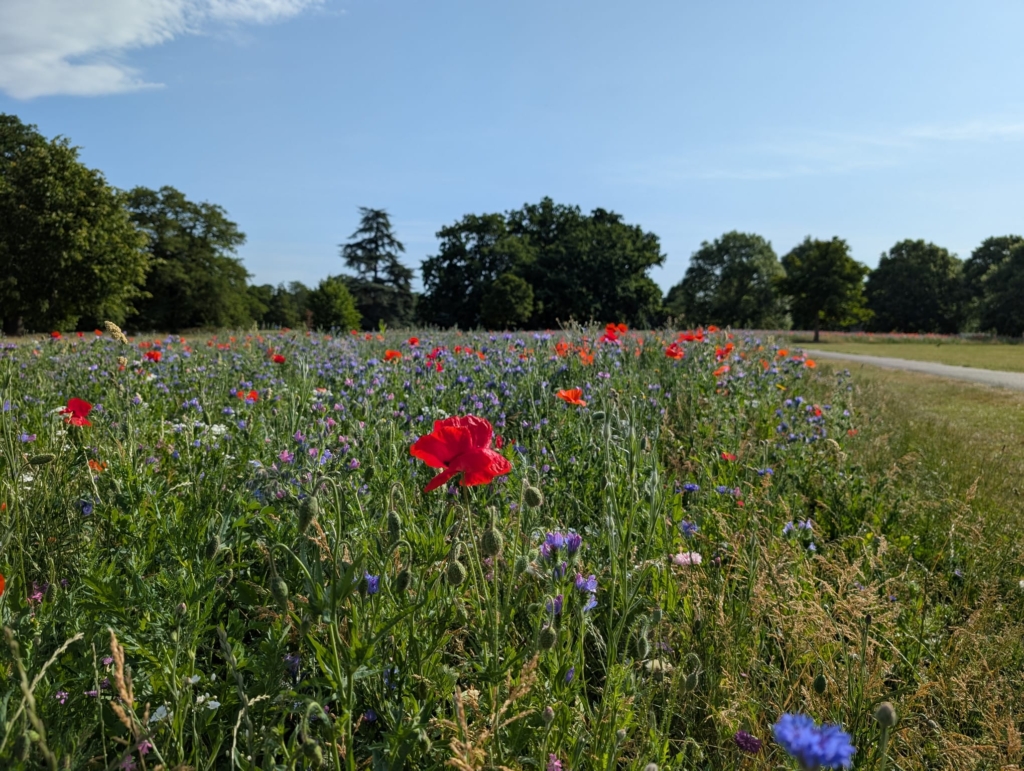
Species-rich wildflower meadows were carefully positioned to frame existing walking routes, strengthen key views and create a changing seasonal landscape without compromising open space for recreation. Woodland edges were enriched through native planting, while community orchards introduced productive landscapes that support both biodiversity and public engagement. Existing circulation routes and recreational facilities were retained, demonstrating that ecological enhancement and everyday park use can coexist.
Today, Priory Park functions as a richer ecological landscape while remaining a well used public destination. The project demonstrates how community-led design can strengthen biodiversity, encourage long-term stewardship and create a landscape that people not only enjoy, but actively identify with and care for.
For the latest industry news visit landscapingmatters.co.uk/news
Get all of the big headlines, pictures, opinions and videos on stories that matter to you.
Follow us on Twitter and Instagram for fun, fresh and engaging content.
You can also find us on Facebook for more of your must-see news, features, videos and pictures from Landscaping Matters